The quiet success of an overshadowed World Cup
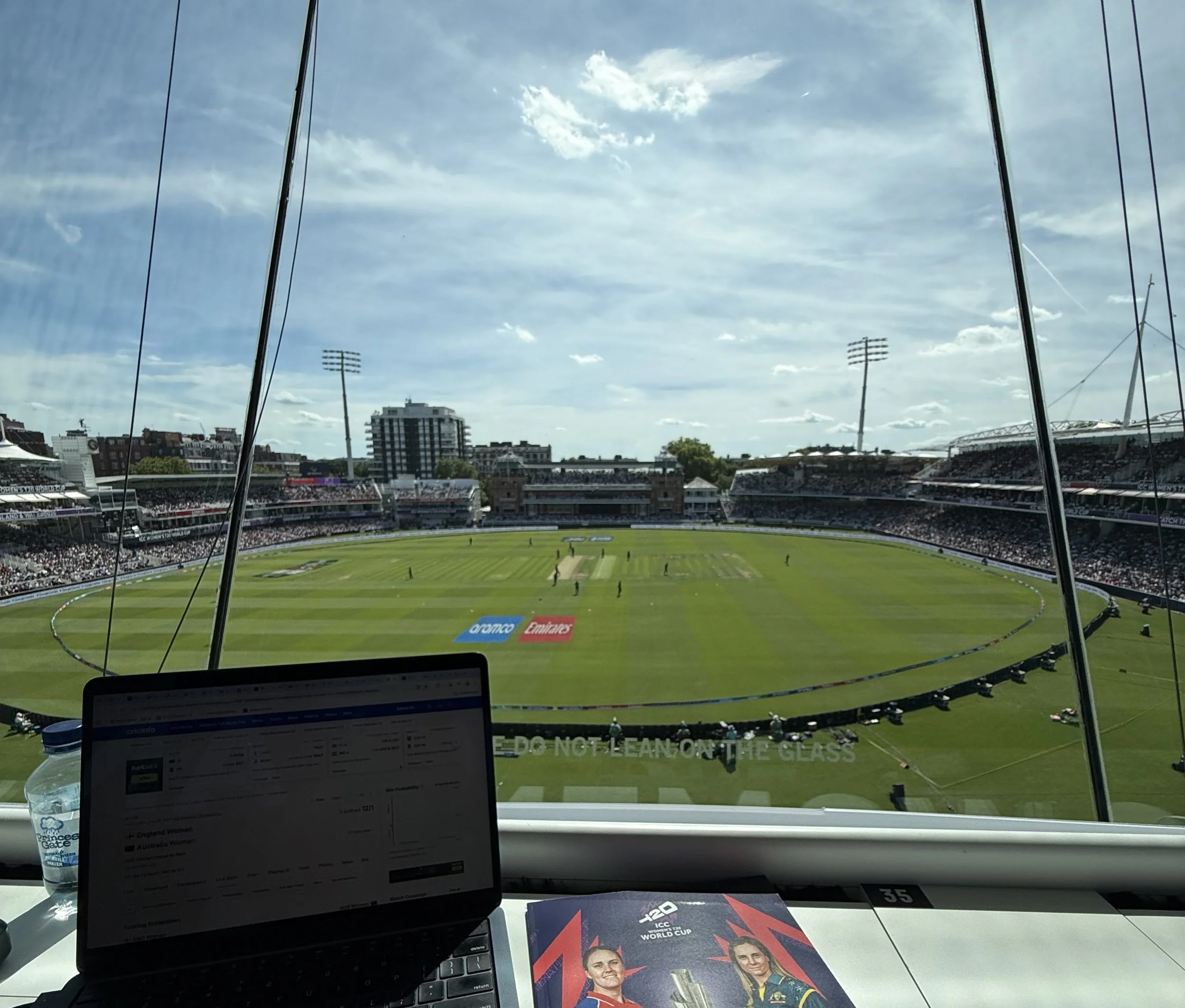
Lord’s basks in sunshine on T20 World Cup final day.
By Enakshi Rajvanshi
Twenty-four hours before England walked out in front of a record crowd, I was bowling at them in the nets. A few hours later, I was back in the media centre trying to work out whether this Women's T20 World Cup had been a success.There will be people who remember the tournament for what it competed against: the crowded sporting calendar, the conversations it struggled to dominate, and the feeling that it never captured the national spotlight in the way we hoped.
They're not entirely wrong.
But if that's where the conversation ends, we've missed everything else that this tournament represents. Think of thousands of young girls who begged to go to games despite the heatwave, watching with their club teams or families. Or the players who, thanks to The Hundred and the WPL, have become genuine household names, players who now have far more shirts to sign than those at the last home World Cup. Between the spectacle of Wicked at the opening ceremony and the ICC x Hello Kitty temporary tattoos worn by fans across the stands, it felt like so much more than a gentleman's game.
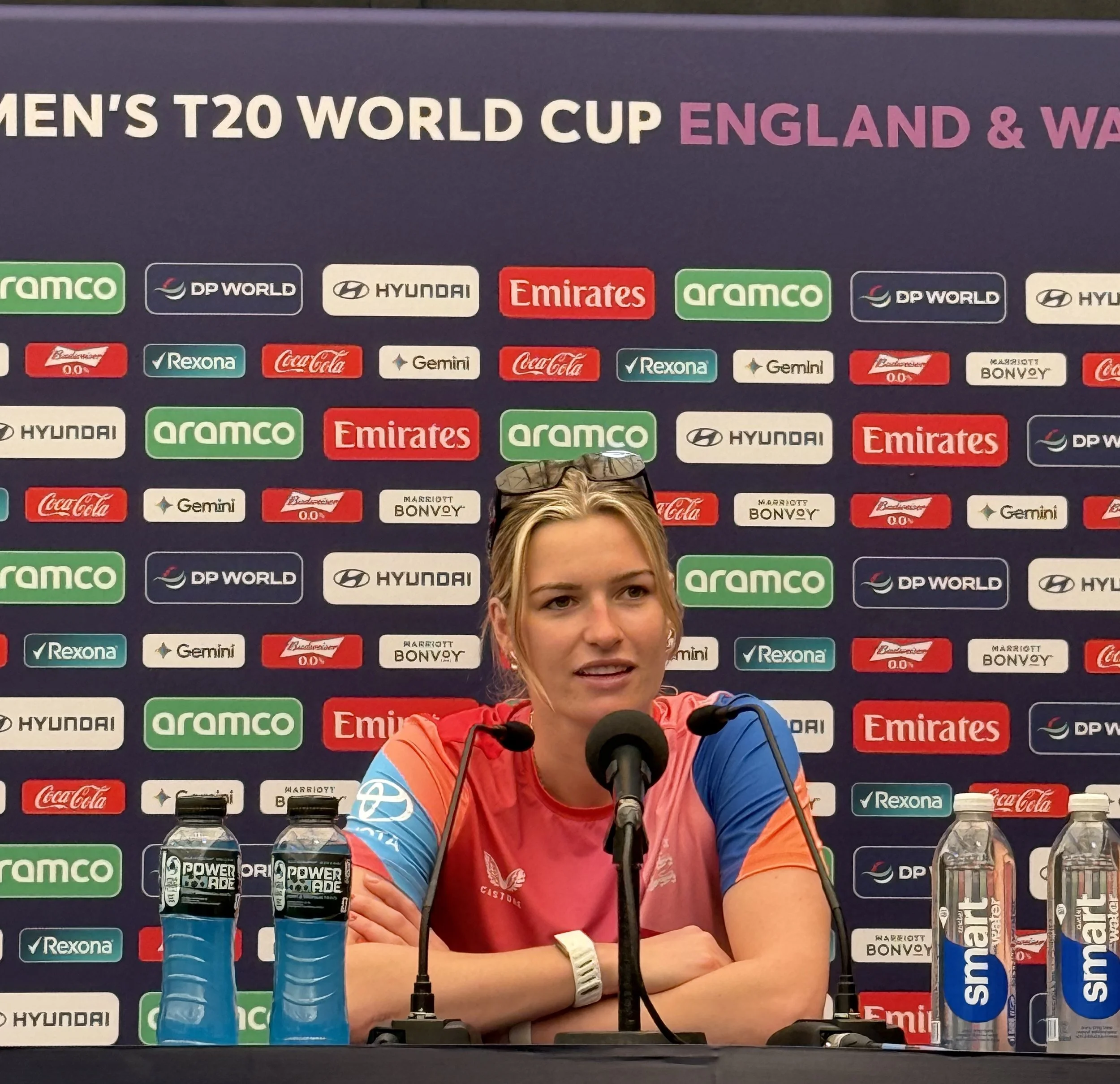
More widely known as an RCB player than an England one, Lauren Bell speaks at a press conference.
Commanding the spotlight was always going to be a challenge. The tournament unfolded alongside the Men’s FIFA World Cup and the annual tradition of Wimbledon, while the men’s cricket summer was occupied by New Zealand's Test tour and another visit from India, a team that never struggles for attention. Ben Stokes suddenly called time on his Test career. Fans were being pulled in more than One Direction: as one Harry was looking to begin his reign, another Harry was rewriting the Wembley record books. London, it seemed, had developed a taste for record crowds. Fortunately for women's cricket, Lord's and The Oval joined in.
The final at Lord's topped the list with 28,887. With tickets priced up to £60, it also became the highest-grossing women's cricket match, generating more than £1 million in sales. By the end of the tournament, 245,815 spectators had attended matches across the competition, more than 100,000 above the previous Women's T20 World Cup record.
Those numbers tell you that the tournament succeeded to an extent despite being overshadowed. They don’t tell you that the Lord's Pavilion was packed, with a visible representation of female members. Or that the India vs Australia group match at Lord’s was sold out months in advance. Entering that day through the Rachael Heyhoe Flint gate felt like walking into a riot of the best kind. Fans were everywhere. At the Grace Gate, hundreds of Indian supporters waited for a glimpse of their favourite players, some of whom were recent ODI World Champions. Five years ago, this didn’t exist.
The media centre looked different too. There were more women journalists, commentators, presenters, producers and content creators covering this World Cup than ever before. Outside, there were more cameras, more microphones and more people willing to point them at themselves and announcewhat they thought of the game. Women’s cricket had become something worth talking about, and people wanted to talk.Perhaps the biggest changes were the ones spectators never saw.
Teams now travel with support staff that would have been unimaginable a few years ago. Having spent time as a net bowler with England, India, New Zealand, South Africa, West Indies and Sri Lanka, it was impossible not to notice. The resources weren't identical; some setups were clearly better funded than others. But certain things remained across the board: more women working as physios, strength and conditioning coaches, and managers, with sessions designed specifically for female athletes rather than borrowed from the men's game.
One conversation with a regional pathway manager at the Utilita Bowl summed it up. For the first time, net bowlers had been brought in through a structured process, drawing from county and academy pathways, rather than simply asking local club boys to fill in. It meant more young women bowling to their idols up close instead of watching from the boundary.
Even the smaller details had changed. The kit handed to net bowlers came in women's sizes instead of the old one-size-fits-all approach. And despite it being a World Cup, the atmosphere around the nets was strikingly relaxed. Taylor Swift played through the speakers, conversations flowed, and even those of us new to the environment were made to feel like we belonged.
Maybe that's the real legacy of this World Cup. Not just the tournament itself, but everything it leaves behind, and everything that quietly led to it. A few days later, Lord's hosted its first women's Test, England against India. It had taken 150 men's Tests to get here. Now that we have, it feels oddly overdue.
You can see it beyond the international grounds, too. The ECB committed up to £5m of extra annual funding to reshape the domestic game, and the standard will continue to rise with it. But some of the biggest changes are the ones that don't get televised. It’s in the local clubs that have suddenly found the space and the will to open girls' sections.
Around the game, if not always in it, things feel different. Brands like Lacuna Sports are designing cricket clothing specifically for women because, for years, no one else did. Campaigns like We Got Game are making practical changes, like ensuring period products are available in clubs, while volunteers from Her Game Too continue to show up at grounds across the country, challenging sexism and making cricket a more welcoming place to be.
Maybe I'm in a bubble here. Spending a month around this World Cup probably makes it harder to see the whole picture. But when your days take you from the practice nets to the stands and into the media centre, it's hard not to notice how much has changed. If it is a bubble, it has massively grown in size.
Yes, this World Cup was overshadowed. Some days the Wimbledon queues, a British Grand Prix, or a football fairytale from a different time zone stole the headlines. That's sport. Maybe it never owned the back pages. Maybe it was never going to. But every girl who left a ground this month with an autograph, a new hero, or simply the thought of joining her local club won't remember what else was on that weekend. She'll remember this.
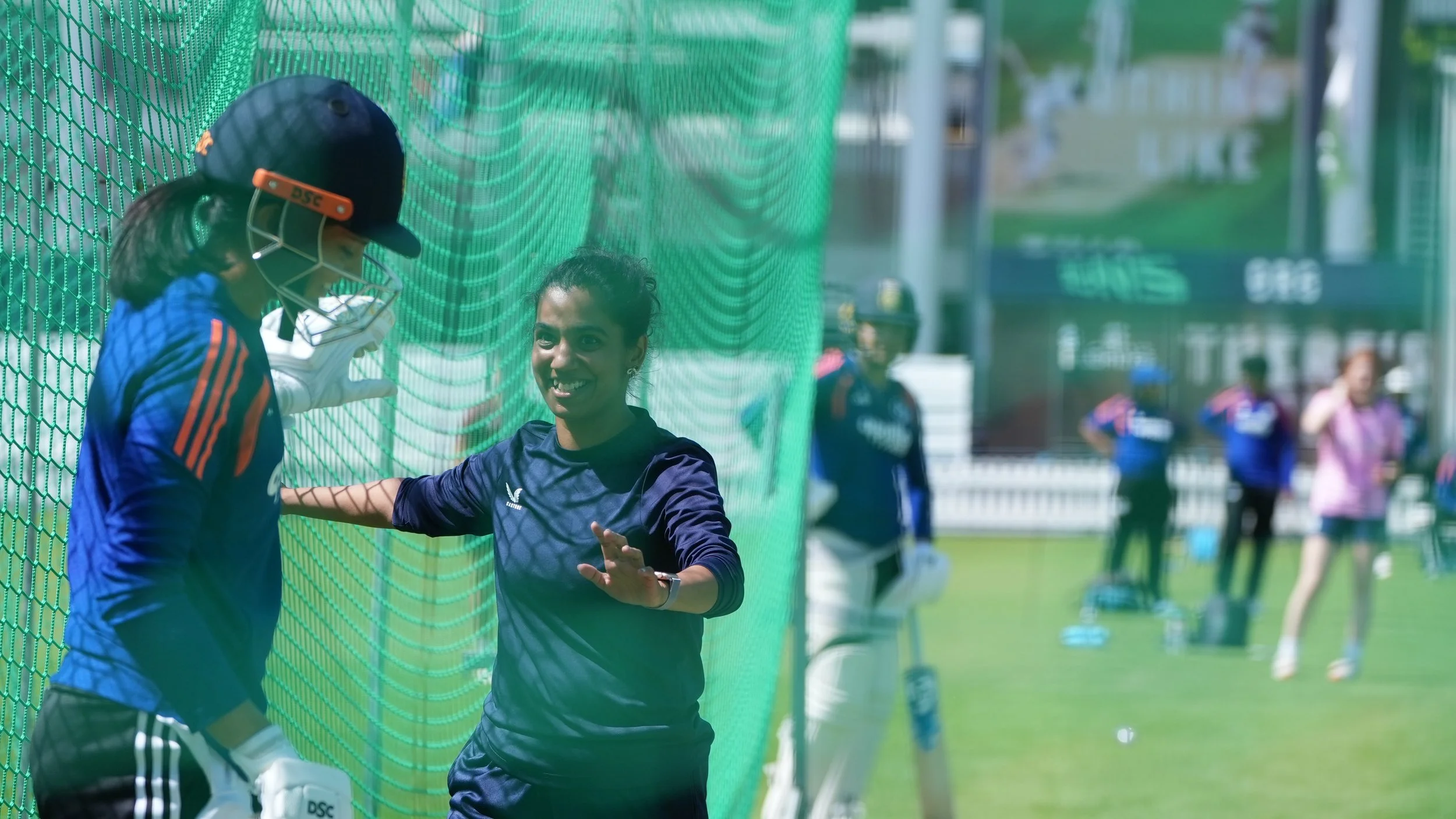
Enakshi bowls to India in the nets